

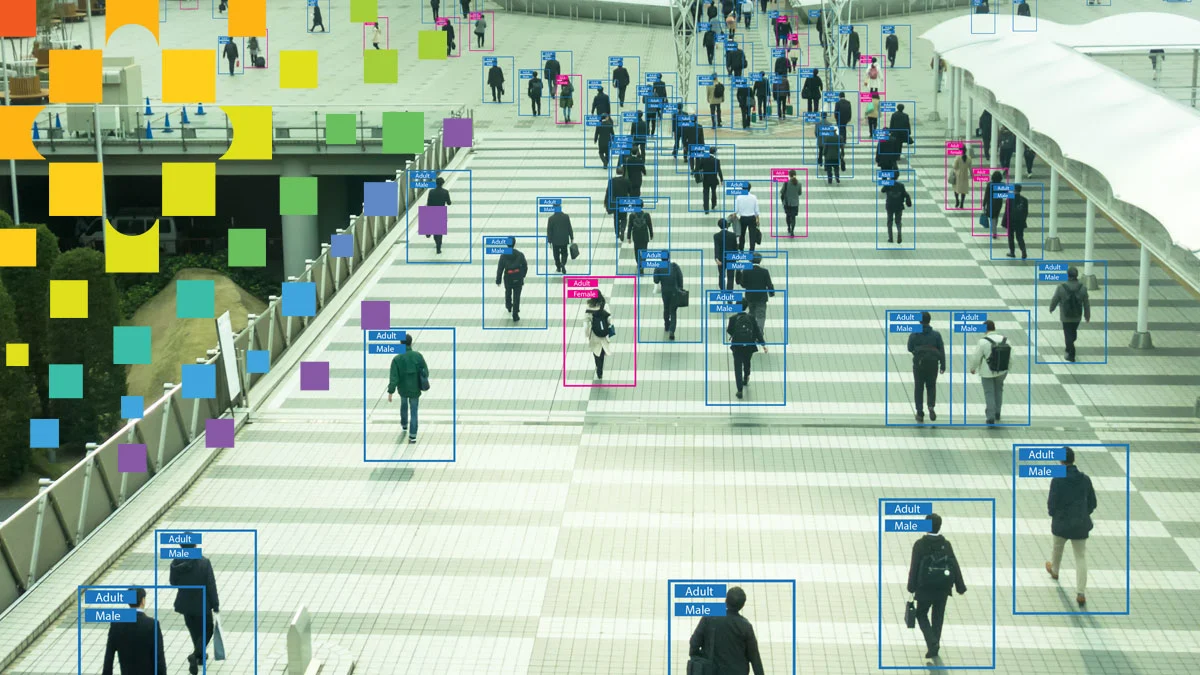
Every connected ecosystem needs a backbone. Within Hapo Group, that backbone is Hapo Cloud — the operating company responsible for the infrastructure and intelligence that the rest of the group builds on.
Hapo Cloud's mandate, as the group describes it, is simple to state and hard to execute: power the group's intelligence, from infrastructure to Vision AI. In practice, that means providing the compute, storage and networking foundations that other Hapo companies depend on daily, while also developing Vision AI capabilities that turn raw camera and sensor data into usable business signals.
Why does this matter beyond Hapo's own walls? Because South African enterprises are increasingly being asked to do more with their data — to move from descriptive dashboards to systems that can see, interpret and act. Vision AI, the branch of artificial intelligence that lets software interpret images and video, is quickly becoming one of the more practical entry points into that shift, particularly in retail, manufacturing and security use cases where a camera is often already in place.
That's the opportunity Hapo Cloud is positioned to serve locally: infrastructure that doesn't require enterprises to choose between global-grade capability and an understanding of the South African operating environment — connectivity realities, cost sensitivity, data residency expectations, and the sectors where the group already has deep relationships through its sister companies.
As Hapo Group continues to build out its "One Connected Ecosystem" model, Hapo Cloud's role as the connective infrastructure layer will only grow more central — not just to how the group's own companies operate, but to how their clients are able to modernise.
We'll be sharing more on Hapo Cloud's Vision AI work in the weeks ahead. In the meantime, if you'd like to know more about how Hapo Cloud supports enterprise clients, get in touch with the team.